 020 3744 3778
Turning Your Garden into a Climate Change Combat Zone
Posted on 03/07/2025
Turning Your Garden into a Climate Change Combat Zone
Did you know your backyard or balcony garden can play a significant role in tackling climate change? With more people concerned about environmental degradation, transforming your outdoor spaces into climate change combat zones is both empowering and essential. This comprehensive guide delves into how your garden can be more than beautiful -- it can be a force for positive, lasting change.
Read on to discover climate-smart gardening strategies and practical tips to help make your green space work for the planet!
Why Gardens Matter in the Fight Against Climate Change
Your garden, no matter its size, is a tiny ecosystem. Together, gardens across the globe comprise a vast network that supports biodiversity, sequesters carbon, mitigates floods, and even cools urban heat. Here's why turning your garden into a climate change combat zone is a powerful step every homeowner, renter, or community member can take:
- Carbon Sequestration: Plants absorb carbon dioxide, a major greenhouse gas, through photosynthesis.
- Biodiversity Support: Diverse plant species provide habitats for insects, birds, and other wildlife, boosting ecological resilience.
- Urban Cooling: Trees and greenery reduce the heat island effect by providing shade and moisture.
- Water Management: Healthy, well-planted soils absorb rainwater, helping to prevent floods and erosion.
Embracing climate-resilient gardening isn't just eco-friendly -- it's essential for a sustainable future.
Key Strategies to Make Your Garden a Climate Change Combat Zone
Below are actionable strategies to maximize the climate-fighting potential of your garden or green space. Each approach tackles a different aspect of environmental stewardship, contributing to the overall goal of combating climate change from your own backyard.
1. Boost Carbon Capture with Thoughtful Planting
- Plant More Trees and Shrubs: Trees are the most effective plants for pulling carbon dioxide from the air and storing it long-term. Choose a variety of native trees and dense shrubs to maximize carbon capture.
- Go Native: Native species are best adapted to local climates, requiring less water and fertilizer, while supporting more wildlife. They're also more resilient to climate change impacts.
- Layer Your Planting: Mimic a forest structure by layering large trees, understory plants, shrubs, and groundcovers. This not only sequesters more carbon but also boosts biodiversity.
2. Enhance Soil Health for Maximum Carbon Storage
Healthy soils act as carbon sinks, trapping even more CO2. Make your soil a robust part of your climate garden by:
- Adding Organic Matter: Regularly top up your beds with compost, leaf mold, or well-rotted manure. This increases soil fertility, moisture retention, and carbon storage capacity.
- Practicing No-Dig or Low-Till Gardening: Minimize disturbance to soil structure, which helps lock carbon underground and encourages beneficial soil microbes.
- Cover Crops and Mulches: Keep soil covered year-round to reduce erosion, conserve moisture, and feed soil organisms. Try clover, vetch, or rye as green manures.
3. Conserve Water and Build Drought Resilience
- Choose Drought-Resistant Plants: Drought-tolerant native perennials and grasses survive with less irrigation, vital as weather patterns become more unpredictable.
- Collect and Reuse Rainwater: Install rain barrels, swales, or create rain gardens to capture and use every drop efficiently, reducing reliance on mains water.
- Mulching: A thick layer of organic mulch conserves moisture and regulates soil temperature, letting plants thrive even in hotter climates.
4. Support Pollinators and Biodiversity
Our ecosystems depend on a myriad of pollinators, insects, and birds. Gardens designed as climate change combat zones foster biodiversity and resilience:
- Plant for Pollinators: Grow native flowers, herbs, and flowering shrubs with overlapping bloom times for year-round pollen and nectar.
- Provide Shelter: Leave log piles, stone heaps, or unmown corners as insect and wildlife refuges.
- Minimize Chemical Use: Avoid pesticides and herbicides, which harm beneficial insects and reduce biodiversity.
5. Reduce Garden Carbon Footprint
It's not just what you plant, but how you garden that counts in turning your backyard into a true climate change fighting zone.
- Compost All Organic Waste: Recycling kitchen and garden waste on-site cuts landfill emissions and returns nutrients to your soils.
- Switch to Manual or Electric Tools: Using rakes, push mowers, or battery-powered tools instead of gas-powered alternatives reduces fossil fuel emissions.
- Choose Local and Recycled Materials: Select garden products that are local, reclaimed, or made from recycled resources to lower transport and manufacturing emissions.
Advanced Methods: Innovative Climate Change Garden Solutions
Agroforestry in Urban Gardens
Agroforestry, the integration of trees and shrubs into cropping systems, isn't just for farmers. Even on a small scale, urban and suburban gardens can benefit from this approach by:
- Creating mini food forests with fruit trees, berry bushes, and perennial vegetables.
- Promoting soil restoration and wildlife corridors in city spaces.
- Enhancing neighborhood climate resilience and food security.
Edible Gardens
Growing your own food is one of the most direct ways to reduce the carbon footprint linked to industrial agriculture and long-distance food transport. Consider:
- Planting seasonal vegetables, salad greens, and herbs.
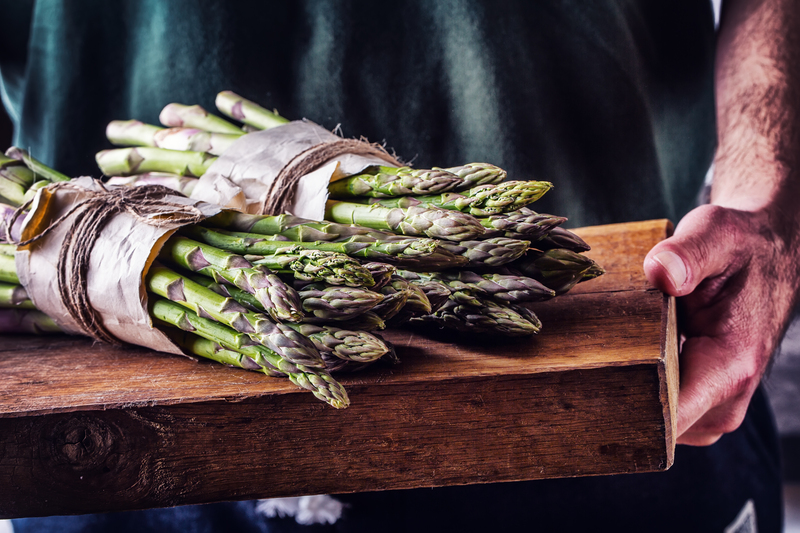
- Incorporating perennial crops such as asparagus, rhubarb, and fruit bushes for year-round yield.
- Swapping seeds and produce with neighbors to foster community resilience.
Wildlife Ponds and Wetlands
Even a small pond can become a critical habitat for frogs, dragonflies, and beneficial insects. Wetland features also absorb excess water from storms, reduce flooding, and increase the carbon stored in aquatic soils.
Green Roofs and Living Walls
If you lack ground space, transform vertical surfaces! Green roofs and living walls insulate buildings, lower cooling costs, provide habitat, and capture CO2. They are especially valuable in cities, helping counteract the urban heat island effect.
Community Power: Collaborative Climate Gardens
Individual efforts are vital -- but communities working together magnify the impact. Forming neighborhood groups to green streets, share tools, plant urban woodlands, or develop pollinator corridors brings wider change. Community gardens often:
- Increase Food Security: Supplying fresh produce locally while cutting emissions tied to food miles.
- Build Social Bonds: Sharing knowledge, harvests, and labor strengthens resilience.
- Influence Local Policy: Mobilizing groups can lead to tree planting schemes, pesticide bans, or municipal composting that benefit all.
Climate Change Combat Gardening: Key Tips for Maximum Impact
- Plan for Diversity and Resilience: Mix native and climate-adapted species.
- Rethink Lawns: Replace some or all turf with wildflowers, shrubs, or food crops.
- Upcycle and Reuse: Get creative with materials, from rainwater harvesting systems to recycled planters.
- Educate and Inspire: Share your garden's climate mission with friends, family, and neighbors. Lead by example!
- Record and Celebrate Progress: Keep a garden journal, participate in citizen science, and measure your positive environmental impact over time.
Common Challenges & Innovative Solutions
- Space Constraints? Try vertical gardening, container gardens, balcony pots, or rooftop plantings.
- Poor Soil? Build it up with compost, raised beds, and green manures.
- Limited Time? Focus on perennial species and self-seeding wildflowers that require less intensive care.
- Pest Pressure? Integrate natural pest controls -- encourage birds, use insect hotels, and companion planting.
- Water Scarcity? Harness rain, mulch heavily, and choose drought-tried native varieties.
Measuring Your Climate Change Garden Impact
Track your progress and see how your personal climate action garden contributes to global goals:
- Carbon sequestration calculators help estimate the impact of planted trees and healthy soil.
- Biodiversity monitoring apps (iNaturalist, eBird) let you count pollinators, butterflies, and birds.
- Share data with local groups or national citizen science projects for broader influence.
Conclusion: Every Garden Can Be a Climate Change Combat Zone
Your garden can be more than a sanctuary. With climate-wise choices, bold action, and a commitment to sustainability, you directly empower the fight against global warming. By turning your green space into a climate change combat zone, you become a steward of the land and a leader in your community. Even the smallest plot, when managed mindfully, ripples outwards to boost ecological health, capture carbon, and inspire others to join the climate solution!
- Start today -- plant wisely, nurture your soil, invite wildlife, and share your journey. Together, our gardens can change the world.
Further Resources for Climate Change Gardening
- RHS Gardening in a Changing World
- Garden Organic: Climate-Friendly Gardening
- Xerces Society: Pollinator Conservation
- Planet Natural - Climate Change Gardening Guide
Explore these links for expert advice, inspiration, and a supportive gardening community eager to fight climate change one garden at a time.
Latest Posts
9 Vibrant Hedges for Quick Privacy Solutions
The Ultimate List of Gardening Tools for Every Plot
Effective Ways to Shield Your Garden from Weather Damage