 020 3744 3778
From Seed to Bloom: 9 Must-Know Gardening Tips for Starters
Posted on 25/06/2025
Are you dreaming of turning your backyard or balcony into a lush oasis? Gardening is a deeply rewarding hobby, bringing beauty, tranquility, and even fresh food into your daily life. Whether you're inspired by vibrant blooms or the promise of homegrown vegetables, starting a garden can feel overwhelming if you're new to it. But don't worry! In this comprehensive guide, we'll share 9 essential gardening tips for beginners--from seed to bloom, you'll learn how to cultivate a thriving, impressive garden with confidence.
Why Start Gardening? The Benefits of Growing Your Own Plants
Gardening is more than just a hobby--it's a lifestyle that nurtures the body and the soul. Not only does it provide fresh air and exercise, but it also offers the joy of watching life unfold from a tiny seed to a flourishing bloom or harvest. Growing your own plants can help you:
- Enjoy fresh, organic produce right from your garden
- Enhance your living space with beautiful flowers and greenery
- Reduce stress and improve mental well-being
- Learn patience, responsibility, and appreciation for nature
- Create habitats for pollinators like bees and butterflies
Getting Started: 9 Must-Know Gardening Tips for Starters
Whether you're starting your plant journey on a windowsill, balcony, or backyard, these tried-and-true gardening tips for beginners will set you up for success.
1. Choose the Right Plants for Your Environment
Before buying seeds or seedlings, *assess your gardening space*. Is it sunny, shady, dry, or humid? *Selecting plants that thrive* in your specific climate and conditions is the foundation of a successful garden.
- Sun-loving plants (like tomatoes and marigolds) need at least 6 hours of direct sunlight each day.
- Shade-tolerant varieties (such as ferns or hostas) are ideal for north-facing gardens or areas with limited sun.
- *Consider your local USDA hardiness zone for perennials.*
Expert Tip: Visit a local nursery for personalized advice on the best beginner plants for your area.
2. Prepare Healthy Soil - The Bedrock of Blooming Success
*Great gardens begin with great soil*. Before planting, make sure your soil is nutrient-rich, loose, and well-draining.
- Mix compost or organic matter into the soil to boost fertility and structure.
- Test pH levels--the ideal range for most plants is between 6.0 and 7.0.
- Avoid waterlogged or compacted soil, which can stunt root growth.
Fun Fact: Earthworms are a gardener's best friend! They aerate the soil and enrich it with valuable nutrients.
3. Begin with Easy-to-Grow Seeds and Seedlings
Building your confidence is key in the early days of gardening. Opt for beginner-friendly flowers and vegetables such as:
- Radishes
- Lettuce
- Sunflowers
- Marigolds
- Beans
- Zinnias
Seed packets come with all the information you need, including planting depth, spacing, and instructions. Don't hesitate to ask for help if you're unsure--gardening communities are famously friendly!
4. Master the Art of Watering
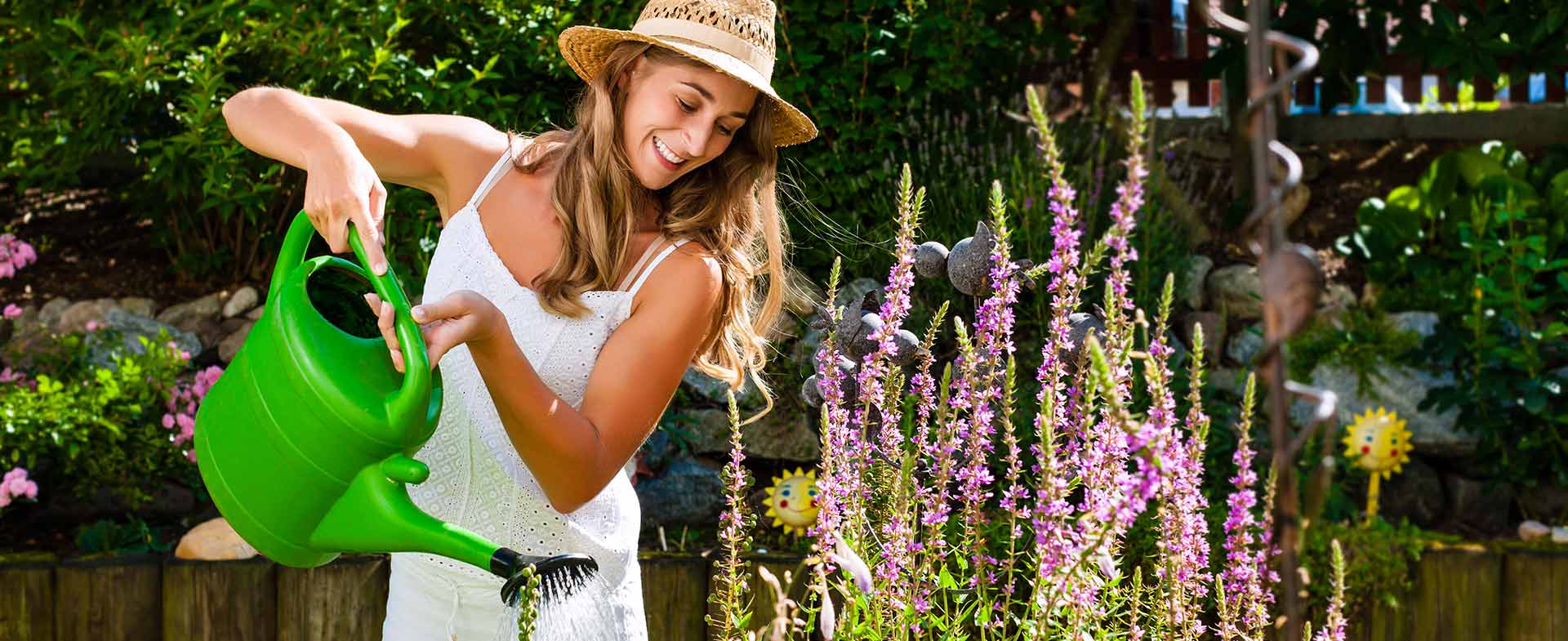
Watering seems straightforward, but it's a skill every gardener must learn. Here's how to water plants for optimal growth:
- Water in the *early morning* or *late afternoon* to minimize evaporation.
- Focus on the soil, not the leaves, to prevent fungal diseases.
- Use a watering can or a gentle hose nozzle to avoid disrupting young seedlings.
- *Check moisture by pressing your finger into the soil--if it's dry an inch below the surface, it's time to water.*
Tip: Overwatering can be just as harmful as underwatering. Plants generally prefer deep, less frequent watering rather than a daily sprinkle.
5. Embrace Mulching for Healthier, Happier Plants
Mulch is a miracle-worker in any garden. Not only does it suppress weeds, but it also:
- Retains soil moisture
- Regulates soil temperature
- Adds organic matter as it breaks down
- Prevents soil erosion
Apply a *2-3 inch layer* of organic mulch (such as wood chips, straw, or compost) around plants, leaving a bit of space around the stems to prevent rot.
6. Be Vigilant Against Pests and Diseases
Every gardener inevitably faces pests. Stay vigilant and take action early to protect your plants:
- Inspect leaves and stems regularly for signs of insects or disease.
- Encourage beneficial insects, such as ladybugs and lacewings.
- Use natural remedies (like neem oil, soap sprays, or companion planting) before turning to chemicals.
- *Remove diseased leaves promptly and dispose of them properly.*
Gardening tip for beginners: Prevention is easier than cure! Healthy, well-tended plants are less vulnerable to attack.
7. Feed Your Plants the Right Way
Just as we need balanced nutrition, so do our plants. Fertilizing provides essential minerals for growth and flowers. For gardening newcomers:
- Choose an organic fertilizer or compost for slow-release nutrients.
- Follow package directions--overfeeding can harm plants.
- Feed during active growing periods (spring and summer for most annuals and perennials).
- *Dilute liquid fertilizers to half-strength for young or delicate plants.*
Tip: Know the three numbers (N-P-K) on fertilizers--Nitrogen (N) for leaves, Phosphorus (P) for roots and blooms, Potassium (K) for overall health.
8. Support Your Young Plants
As plants grow, some need a helping hand. Proper support keeps stems upright, improves air circulation, and prevents breakage--especially for tall flowers and climbing veggies.
- Use stakes, cages, or trellises for tomatoes, beans, cucumbers, and peonies.
- Install supports when planting, so roots aren't disturbed later.
- *Gentle ties like twine or soft strips protect delicate stems.*
Strong start = stunning blooms!
9. Practice Patience and Record Your Progress
Perhaps the most important gardening tip for beginners is patience. Plants need time to establish roots, develop, and showcase their beauty. Tracking your results helps you learn and grow as a gardener, too!
- Keep a garden journal with planting dates, weather, successes, and challenges.
- Take photos regularly--there's nothing like comparing "before and after" snapshots for motivation.
- Celebrate milestones: first sprouts, first blooms, first harvests!
Remember: every gardener makes mistakes. Turn setbacks into learning opportunities on your journey from seed to bloom.
Bonus: Top 5 Common Gardening Mistakes and How to Avoid Them
Even with the best gardening advice for newbies, mistakes happen. Here are five pitfalls to watch out for:
- Overcrowding: Plants need space to thrive. Check spacing guidelines on seed packets or labels.
- Overwatering/Underwatering: Learn your plants' water requirements and adjust for seasons.
- Poor soil: Enrich with compost or organic matter for best results.
- Ignoring pests/disease: Inspect regularly and act quickly to save your garden.
- Neglecting sunlight: Most vegetables and flowers need at least 6 hours daily.
Essential Tools for Beginner Gardeners
Your hands are your best gardening tools, but a few basics can make the job easier and more enjoyable. Consider starting with:
- Hand trowel for digging and transplanting
- Pruners for snipping stems and deadheading flowers
- Gloves to protect from thorns and dirt
- Watering can or hose with a gentle nozzle
- Garden fork for turning soil and compost
Invest in quality tools--they'll last for seasons to come.
Bringing It All Together: Your Path From Seed to Bloom
Gardening may seem daunting at first, but the journey from seed to bloom is packed with rewards. By following these 9 must-know gardening tips for beginners, you'll set yourself up for a flourishing, resilient garden. Every leaf, bud, and blossom is a testament to your time, effort, and love.
So gather your seeds, enrich your soil, and put these beginner gardening strategies into practice. *Soon, you'll be amazed at what your hands--and a little knowledge--can grow.*
Frequently Asked Questions: Gardening for Starters
- When is the best time to start a garden?
Early spring is ideal for most annuals and veggies, but you can grow indoors year-round or start in fall for certain plants. - How often should I fertilize?
Most plants need feeding every 4-6 weeks during their active growing season. Read fertilizer instructions for best results. - Can I garden in containers?
Absolutely! Container gardening is perfect for beginners and those with limited space. - What if my plant looks unhealthy?
Check water, sunshine, and soil. Remove dead or diseased parts and consult local experts or online forums for help.
Conclusion: Grow With Confidence From Seed to Bloom
Anyone can become a successful gardener with a little curiosity and commitment. With these essential gardening tips for new growers, you'll soon enjoy the satisfaction of nurturing life from a single seed to jubilant, colorful blooms.
Ready to begin your green adventure? Dive in, dig deep, and let nature work its magic! Happy gardening!
Latest Posts
9 Vibrant Hedges for Quick Privacy Solutions
The Ultimate List of Gardening Tools for Every Plot
Effective Ways to Shield Your Garden from Weather Damage