 020 3744 3778
Eco-Friendly Tips for Gardening with Dogs
Posted on 11/06/2025
Eco-Friendly Tips for Gardening with Dogs
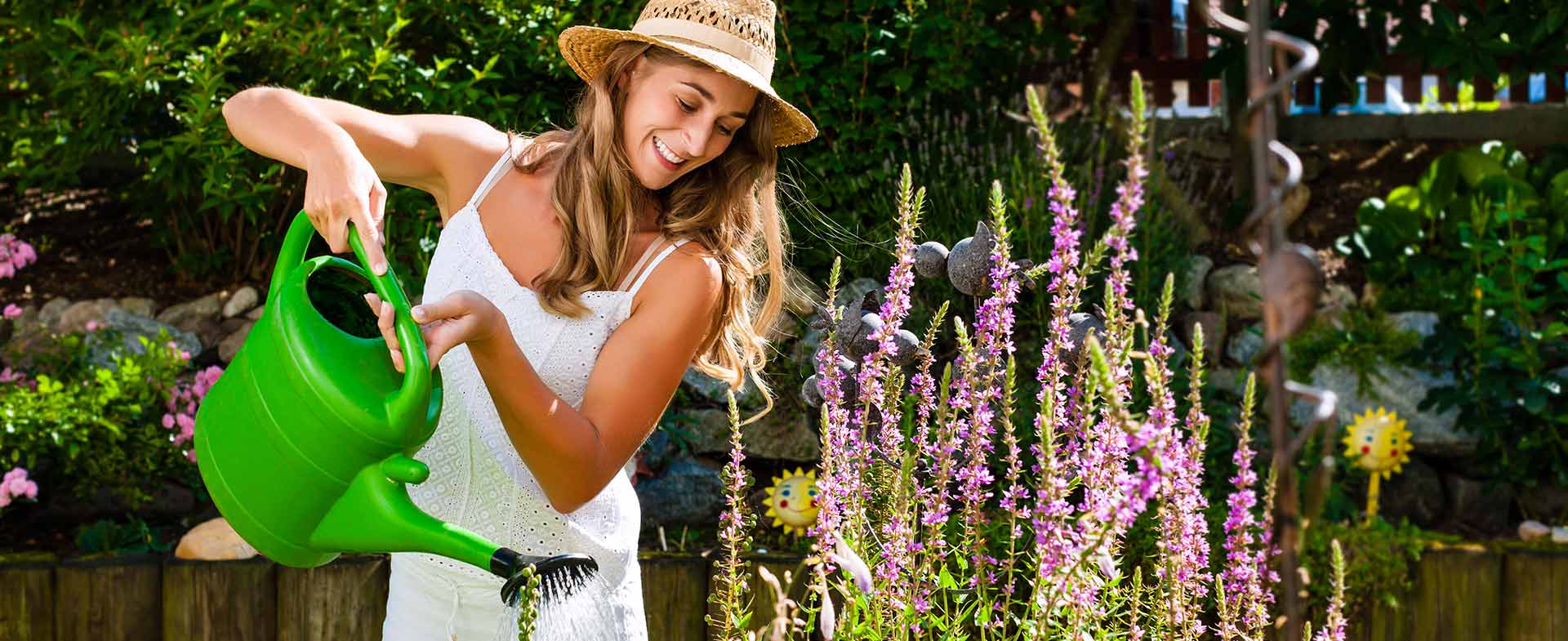
Gardening is a beloved pastime for many, and having a dog as a companion in your green space makes it even more rewarding. However, keeping both your furry friend and your garden healthy can be a balancing act--especially when you aim to use sustainable, eco-friendly approaches. In this comprehensive guide, we'll explore the best eco-friendly tips for gardening with dogs to help you create a vibrant, pet-safe oasis that's gentle on the planet.
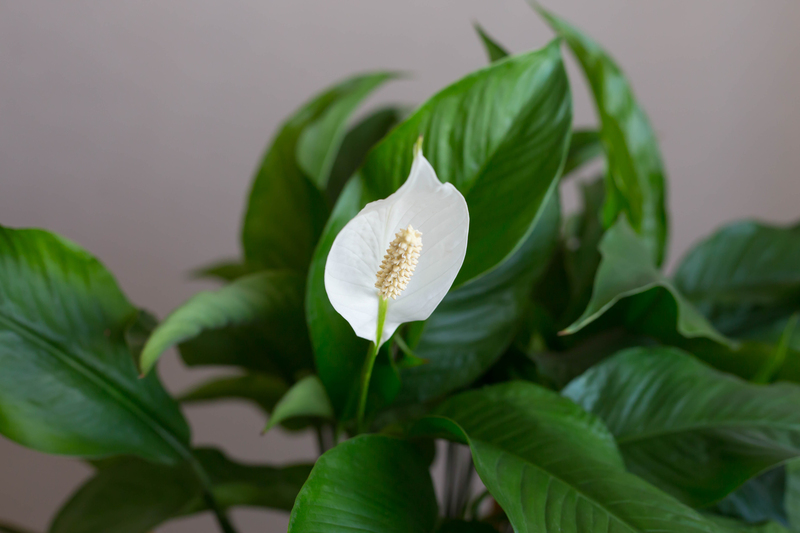
Why Choose Eco-Friendly Dog-Friendly Gardening?
Combining eco-conscious techniques with pet-safe practices creates a garden that thrives naturally, supports local wildlife, conserves resources, and safeguards your dog from toxic chemicals. Traditional gardening often involves synthetic pesticides and fertilizers, which pose risks to both pets and the environment. By adopting sustainable gardening methods tailored for canine companions, you can enjoy peace of mind and a lush, resilient landscape.
Benefits of an Eco-Friendly, Dog-Safe Garden
- Protection from harmful chemicals - Reduces your dog's exposure to toxic substances
- Biodiversity - Supports pollinators and beneficial insects
- Water and soil conservation - Promotes sustainable use of resources
- Happier pets - Provides a safe, stimulating environment
- Community contribution - Sets an example for responsible pet ownership and gardening
Eco-Friendly Dog Gardening Tips: How to Create a Safe and Sustainable Outdoor Haven
1. Plan a Dog-Friendly Garden Layout
Not all dogs behave in the garden the same way. Some love to dig, others sunbathe or run laps. Observe your dog's habits and design your space accordingly. Here are some dog-friendly gardening ideas for layout planning:
- Paths and Play Zones: Create clear pathways using mulch, gravel, or stepping stones for your dog to follow. Designate play areas to prevent trampling over your delicate flowerbeds.
- Digging Pits: Build a designated digging spot by filling an area with soft, loose soil or sand. Bury a few toys or treats to encourage digging there instead of your prized borders.
- Shady Retreats: Add structures such as pergolas, dog houses, or strategically placed shrubs for cool, shaded rest spots.
By planning ahead, you can ensure your garden remains attractive while meeting your pet's needs.
2. Choose Non-Toxic, Pet-Safe Plants
When gardening eco-friendly with dogs, choose plants that are safe if ingested or brushed against. Many common garden plants are toxic to dogs (azaleas, foxglove, and daffodils). Instead, feature the following dog-safe plants for gardens:
- Sunflowers
- Snapdragons
- Roses (thornless varieties)
- Camellias
- Marigolds
- Fuchsias
- Ornamental grasses
- Edible herbs such as basil, thyme, oregano, and sage
- Blueberries and strawberries (in moderation)
Always cross-check any plant species with up-to-date lists of pet-toxic and pet-safe plants. The ASPCA website (ASPCA Poison Control) has comprehensive resources.
3. Avoid Chemical Pesticides and Fertilizers
Chemical-free gardening is central to an eco-friendly approach. Many commercial pesticides, herbicides, and fertilizers are toxic to dogs and can contaminate local water supplies. Instead, use organic and natural alternatives for pest and nutrition management:
- Apply compost or well-rotted manure for soil fertility.
- Create natural pest deterrents using garlic spray, neem oil, or diatomaceous earth. Always double-check that your chosen solutions are safe for pets.
- Introduce beneficial insects like ladybugs or nematodes for organic pest control.
- Mulch with straw, bark, or cocoa shells. Note: Do not use cocoa mulch as it is toxic to dogs.
If you must use any commercial product, make sure it's labeled pet-safe and follow the instructions strictly.
4. Use Sustainable Materials for Garden Features
When building fences, raised beds, or pathways, opt for sustainable, pet-friendly materials:
- Untreated wood such as cedar or redwood (free from harmful preservatives)
- Natural stone or recycled bricks for borders or paths
- Bamboo for privacy screens and decorative features
- Permeable pavers to allow water absorption and reduce runoff
- Natural fiber ropes and mats for play or rest areas
This reduces your environmental footprint while ensuring nothing in your landscape threatens your dog's well-being.
5. Harvest and Use Rainwater
Sustainable watering keeps your garden lush without waste. Install rain barrels or water butts to collect runoff from your roof. Always keep lids tightly secured to prevent pets and wildlife from accessing the stored water.
You can supplement with drip irrigation or soaker hoses for efficient, low-evaporation watering. Not only does this conserve water, but it also shelters your pet's favorite play spots from puddles and mud.
6. Compost With Care
Composting is eco-friendly, but it's important to keep your pets safe from tempting smells and bacteria found in fresh compost. Follow these pro tips:
- Use a secure compost bin with a lid and unreachable by dogs
- Never add dog feces or meat scraps to your compost (these can harbor pathogens dangerous to people and pets)
- Keep the compost area in a fenced-off or inaccessible section of your yard if your dog is a digger or sniffer
7. Make a Dog-Friendly Herb and Vegetable Patch
Many herbs and vegetables are both eco-friendly and suitable for dogs. Some even offer nutritional and medicinal benefits! Herbs like parsley, basil, thyme and vegetables such as carrots, zucchini, peas, and green beans make tasty, safe snacks. Always introduce new foods gradually and in moderation and double-check toxicity for each type of plant.
Add fun by planting a "dog salad" area that includes dog-safe grasses or edible greens. It can satisfy your pup's occasional craving for munching greens and keep them from chewing ornamental plants.
8. Create Wildlife-Friendly Features
Supporting eco-biodiversity is crucial, and you can do so while keeping dogs safe:
- Pollinator plants like lavender, echinacea, and sunflowers attract beneficial insects
- Bird baths and feeders should be placed high enough to avoid curious canines
- Butterfly puddling stations can be set in protected areas inaccessible to dogs
- A wild corner with log piles, rocks, or native shrubs for hedgehogs, frogs, and insects provides shelter but can be fenced if you want to keep your dog out
This creates a balanced and vibrant ecosystem.
9. Make Dog Toys and Enrichment from Garden Waste
Instead of discarding pruned branches or trimmings, repurpose them into safe dog toys or enrichment items:
- Weave braided chew ropes from untreated natural fiber twine and willow branches (ensure no toxic sap or splinters)
- Use sturdy sticks for supervised games of fetch (avoid types that splinter easily like pine or cherry)
- Create natural obstacle courses or digging challenges using logs and garden debris
This minimizes waste and provides your dog with sustainable stimulation.
10. Mulch Carefully
Mulching helps suppress weeds, conserve moisture, and regulate soil temperature. But not all mulches are dog-safe--for example, cocoa mulch is toxic to pets. Opt for:
- Wood chips from pet-safe trees (avoid oleander, black walnut, and yew)
- Straw or pine needles
- Recycled rubber mulch designed for playgrounds (choose those certified pet-friendly)
Supervise your dog to prevent excessive chewing or ingestion of mulch materials.
Common Challenges in Eco Gardening with Dogs (And How to Solve Them)
Dealing with Digging
Dogs dig instinctively--for fun, cooling off, or hunting bugs. To prevent flowerbed destruction:
- Provide a designated digging pit
- Use fencing or low borders to keep dogs out of sensitive areas
- Distract with toys and daily enrichment walks
Preventing Lawn Burn from Urine
Dog urine can leave unsightly yellow patches due to its nitrogen content. To maintain a lush, eco-friendly lawn:
- Train your dog to eliminate in a specific, mulched area
- Water spots immediately to dilute urine
- Over-seed with hardy grass varieties like fescue or perennial rye
- Consider dog-safe lawn treatments (avoid synthetic fertilizers and herbicides)
Protecting Delicate Plants
Place fragile or prized plants in raised beds, behind decorative fencing, or in hanging planters out of your dog's reach. For stubborn chewers, use a safe organic deterrent spray with bitter tastes (administered according to directions and pet-safety guidelines).
Year-Round Maintenance for a Sustainable, Dog-Friendly Garden
- Regularly check fences and gates to prevent escapes
- Keep walkways clear and material safe underfoot to avoid splinters and injuries
- Remove toxic plants or mushrooms as they appear
- Practice seasonal cleanup, removing debris that could hide hazards, like sharp sticks or wire
- Top up compost and mulch in spring and fall, using only pet-safe options
- Rotate enrichment toys and digging spots to maintain your dog's interest
Frequently Asked Questions about Eco-Gardening with Dogs
What are the safest organic fertilizers for gardening with dogs?
The best choices are homemade compost, worm castings, and composted manure from trusted sources. Avoid blood meal and bone meal, as dogs may be attracted to them and ingest too much.
Can mulch be dangerous for my dog?
Yes, certain mulches are toxic, like cocoa mulch, which contains theobromine. Others such as pine, cedar, or straw are generally safe but always supervise to prevent chewing and swallowing large amounts.
Which common garden plants are most toxic to dogs?
Plants like azalea, rhododendron, foxglove, lilies, yew, oleander, and sago palm are highly toxic to dogs. Always reference up-to-date toxic plant lists before adding new species to your landscape.
How can I naturally repel fleas and ticks in a dog-friendly garden?
Grow plants such as lavender, rosemary, sage, or mint. Keep your yard tidy, mow grass regularly, and avoid chemical treatments. Use pet-safe diatomaceous earth in problem areas.
Conclusion: Enjoying a Green Garden with Your Best Friend
By following these eco-friendly tips for gardening with dogs, you'll foster a lush, beautiful garden that's gentle on the earth and safe for your four-legged family members. Balancing sustainability with pet safety doesn't mean sacrificing style or productivity--it means your outdoor space can be a haven for both you and your pets, benefiting wildlife and the environment too.
*Ready to transform your yard into a paradise for you and your pup? Implement these tips, enjoy the peace of mind, and share your love for sustainable gardening with fellow dog lovers!*
- Key Takeaway: Sustainable gardening and happy, healthy dogs go hand in hand. With the right planning and plant choices, your garden can be both a green sanctuary and a safe playground.
Explore more dog-safe, sustainable gardening resources, and enjoy the outdoors with your pet in eco-friendly style!
Latest Posts
9 Vibrant Hedges for Quick Privacy Solutions
The Ultimate List of Gardening Tools for Every Plot
Effective Ways to Shield Your Garden from Weather Damage