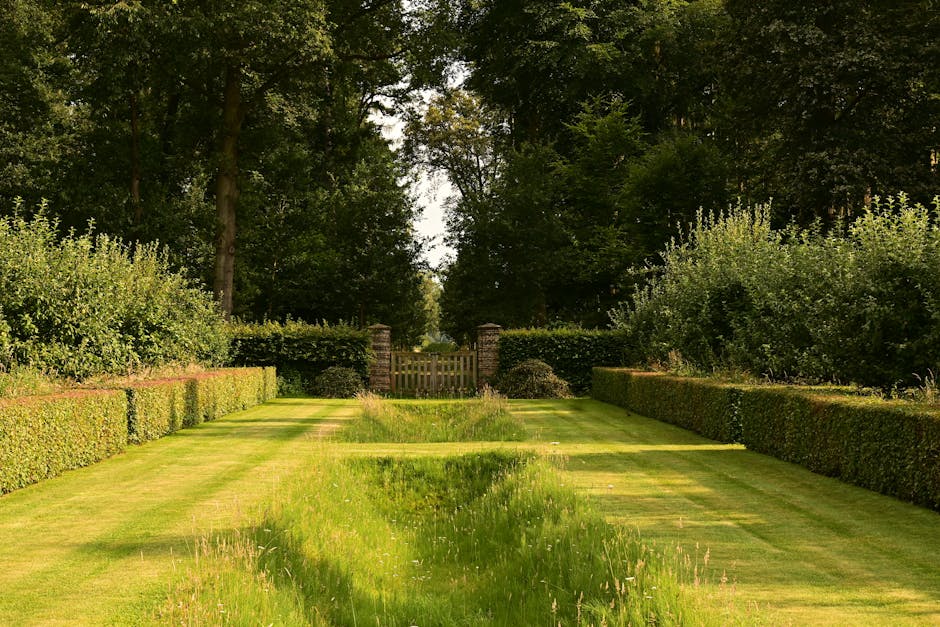
Gardeners for Monken Hadley Common lawns and borders
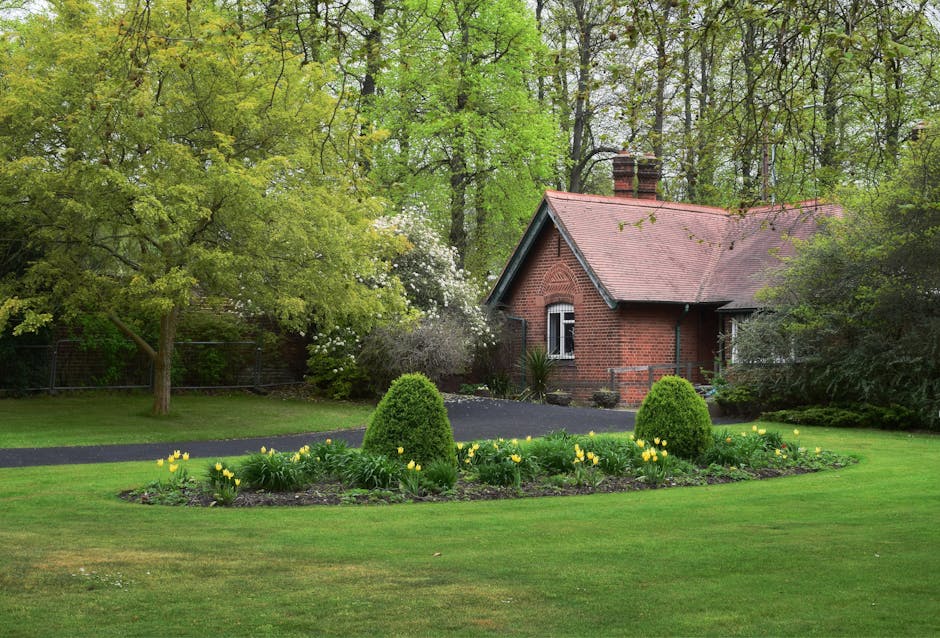
If your lawn has started looking tired, patchy, or just a bit shaggy around the edges, you are not alone. Borders can go the same way. One week they look full and balanced, the next they are swallowing paths, fighting weeds, and hiding the plants you actually wanted to see. Gardeners for Monken Hadley Common lawns and borders are there to bring order back without stripping away the character that makes a garden feel lived-in.
This guide walks through what good lawn-and-border care really involves, how a reliable gardening service approaches it, and what to look for if you want results that last beyond a quick tidy-up. We will keep it practical, local, and honest. No glossy nonsense. Just the stuff that actually helps.
Why Gardeners for Monken Hadley Common lawns and borders Matters
Lawns and borders do a lot of heavy lifting in a garden. The lawn is usually the first thing people notice; the borders are what give the space personality, colour, structure, and seasonal rhythm. If one is neglected, the whole garden can feel out of balance. And around Monken Hadley Common, where many gardens sit close to mature trees, changing shade, and pockets of weather exposure, that balance can shift quickly.
Good care is not just about making things look neat for a weekend. It is about keeping grass healthy enough to recover, preventing weeds from taking hold, and managing borders so plants can breathe, flower, and fill out properly. A well-kept edge can make an average garden look intentional. A badly kept one makes even expensive planting feel unfinished. Simple as that.
There is also the practical side. Poorly maintained lawns become compacted and thin. Borders become muddy, overrun, or clogged with self-seeded plants. Once that happens, the job gets bigger and more expensive. Small, regular attention is nearly always easier than a dramatic rescue later on. If you have ever tried to tackle an overgrown front border after one wet winter, you will know exactly what I mean.
For many homeowners, this is where a professional service becomes valuable. A reliable team can spot what the garden needs now and what it will need in a few weeks, not just what looks obvious on the day. That kind of judgment is what keeps gardens steady rather than swinging from one crisis to the next.
How Gardeners for Monken Hadley Common lawns and borders Works
At its best, lawn-and-border care is a repeatable process, not a one-off tidy. The gardener starts by assessing the garden's current condition: grass density, soil moisture, weed pressure, shade patterns, and the way the borders are planted. In Monken Hadley Common, shade from established trees and hedge lines can alter how quickly grass dries, how thick moss grows, and which plants thrive at the front of a border versus the back.
From there, the work usually falls into a few practical tasks:
- Lawn maintenance: mowing at the right height, edging, aerating when needed, feeding, and weed or moss control where appropriate.
- Border care: weeding, deadheading, selective pruning, mulching, refreshing soil, and re-spacing plants that have outgrown their place.
- Seasonal adjustment: changing the routine according to weather, growth speed, and planting type.
- Garden hygiene: clearing clippings, fallen leaves, and debris so pests and diseases have fewer hiding places.
It sounds straightforward, but the detail matters. For example, mowing a lawn too short in spring can weaken the grass just as it is trying to recover. Cutting back border plants too hard at the wrong time can remove flowers, seed heads, or winter structure. There is always a balance between tidiness and plant health.
That is why the best services do not work on autopilot. They adapt. One week the main job might be a precise mow and edge. Another week, after rain and growth, it might be weed removal, border reshaping, and a bit of selective thinning so the plants stop fighting each other. Gardens change. The work should change with them.
Key Benefits and Practical Advantages
When lawns and borders are managed properly, the whole garden tends to calm down. You see cleaner lines, better growth, and fewer emergency jobs. That is the headline. But the more interesting benefits are often the quieter ones.
- Better visual balance: neat borders frame the lawn and make even modest planting look more deliberate.
- Healthier grass: mowing correctly and improving airflow helps lawns recover faster after wear, shade, or wet weather.
- Less weed pressure: regular border attention stops weeds from seeding and spreading into the lawn.
- Stronger planting: deadheading, dividing, and re-spacing help plants perform better rather than just surviving.
- Lower maintenance later: a garden that is maintained consistently is easier to keep under control, which is honestly the bit most people want.
There is also a small but real emotional benefit. A tidy lawn and crisp border edge can change how you use the garden. People step outside more. Children play on the grass. You notice the planting again. The space stops feeling like a task and starts feeling like part of the home.
If you are planning a wider refresh, lawn-and-border work often sits nicely alongside regular garden maintenance and, where needed, tailored lawn care. For gardens that also need broader shaping or re-organisation, landscaping support can help tie everything together rather than patching one corner at a time.
Who This Is For and When It Makes Sense
This kind of service is useful for more people than you might expect. It is not only for large gardens or high-maintenance planting schemes. In fact, many of the most common calls come from ordinary gardens that have simply got out of step with the seasons.
You may need help if:
- your lawn is looking thin, uneven, or mossy
- the borders are overgrown and plants are competing for space
- weeds keep returning no matter how often you pull them
- you want a smarter finish without redesigning the whole garden
- you have limited time, mobility, or simply do not enjoy the repetitive maintenance
- your garden has been neglected for a while and needs a proper restart
It also makes sense if you are trying to protect a garden that already has good structure. A well-planted border can deteriorate surprisingly quickly when nobody is deadheading, thinning, or keeping aggressive growth in check. And a lawn can go from acceptable to annoying in one wet month. Let's face it, UK weather does not exactly help with consistency.
For some households, the trigger is practical. A new baby, a busy work schedule, a dog that loves to charge the grass, or the first spring after moving in. For others, it is more aesthetic. They want the front of the house to look cared for. Both reasons are valid.
Step-by-Step Guidance
If you are wondering what proper lawn-and-border care looks like in practice, this is the basic sequence most experienced gardeners follow. Not every garden needs every step every time, but the order is a useful framework.
- Inspect the space carefully. Look at grass length, bare patches, moss, drainage, weeds, and border density. A quick walk-through should tell you where the pressure points are.
- Set the right mowing approach. Adjust cutting height to the season and the condition of the lawn. Cool, damp, shaded gardens often need a gentler approach than open sunny ones.
- Edge and define the boundaries. Clean edges give a lawn shape and stop borders from spilling over into the grass.
- Clear weeds from borders. Pull them with roots where possible, or cut them back before they seed. Border weed control is easier when done regularly.
- Prune and deadhead selectively. Remove spent flowers and trim back plants that are crowding their neighbours. The trick is to keep the shape without flattening the character.
- Refresh the soil surface. Add compost or mulch where needed. This helps retain moisture and reduces weed growth, especially in exposed beds.
- Check for pest or disease signs. Yellowing, chewing, black spot, mildew, or unusual dieback should be dealt with early.
- Finish with a tidy-through. Clear clippings, shake debris from paths, and make sure the garden looks finished, not just cut down.
That final tidy-through sounds minor, but it makes a big difference. A garden can be technically maintained and still look messy if the debris is left behind. Humans are funny like that. We notice the small leftovers.
Expert Tips for Better Results
Here are the things that tend to separate decent maintenance from genuinely good maintenance. These are small decisions, but they stack up.
- Do not mow too short. Short grass may look neat briefly, but it is more vulnerable to stress, drought, and weed invasion.
- Vary the border work through the year. Spring is about control, summer about maintenance, autumn about recovery, and winter about protection.
- Mulch with intention. A well-chosen mulch can suppress weeds and improve soil, but it should not smother the crown of plants.
- Watch the shade. In gardens near mature trees, border planting often needs more attention to light levels and root competition than people expect.
- Keep one eye on drainage. If the lawn stays squelchy or the border stays waterlogged, no amount of surface tidying will fix the underlying issue.
One useful habit is to treat borders as layers, not just colour. Low growers at the front, mid-height plants in the middle, structure at the back. That arrangement keeps maintenance easier and helps the space look full even when some plants are resting. If you want more ground-level ideas, the article on ground cover plants that work well in UK gardens is a handy companion read.
Another very practical tip: if ivy, runners, or intrusive climbers are creeping into the borders, deal with them early. They are stubborn little things. If you need a sustainable approach, this guide on removing ivy properly is worth a look.
Common Mistakes to Avoid
Most lawn and border problems do not begin with a disaster. They begin with a few small habits repeated too often. Here are the big ones.
- Ignoring the first signs of weeds. Once weeds seed, they multiply the workload fast.
- Cutting back too aggressively. Some plants bounce back, others sulk for months.
- Using the same routine all year. A summer border and a winter border do not need the same treatment.
- Letting the lawn edge blur. Once the edge goes, the whole garden looks less defined.
- Overfeeding the wrong way. Too much nitrogen can push soft growth and leave lawns more vulnerable.
- Leaving fallen leaves in place for too long. A light scattering is natural; a thick mat is trouble.
A lot of homeowners also underestimate how much the wrong plant placement affects maintenance. If border plants are too close together, airflow drops and disease risk rises. If they are too sparse, weeds move in. Neither extreme is ideal. Gardens, annoyingly, like balance.
One more thing: do not assume that a garden looks fine just because it is green. Mossy lawns can look lush from a distance. They are not necessarily healthy. Same for borders packed with growth that never gets thinned. It can look abundant while actually being cramped and stressed.
Tools, Resources and Recommendations
A good gardener does not need a van full of gadgets, but the right tools make the job cleaner and quicker. For lawns and borders, the essentials are fairly standard:
- sharp mower with adjustable cutting height
- sturdy edging tool or half-moon edger
- border fork or hand fork for loosening compacted soil
- secateurs for deadheading and light pruning
- long-handled shears for shaping larger border plants
- wheelbarrow or trug for debris and clippings
- gloves that actually fit, which sounds obvious but somehow still matters
- compost or mulch for soil improvement
If you want a broader overview of what a well-equipped gardener typically uses, this tools guide is a practical reference. For people trying to keep upkeep manageable rather than heroic, these low-maintenance ideas can help you simplify the routine without making the garden feel bare.
In especially busy households, sensible design choices matter too. A border that is easy to reach and a lawn that has clean edges will always be easier to maintain than a fussy layout that needs constant correction. If you are rethinking how the space is used, there are useful ideas in this seating area guide and the broader garden services available through gardening services.
Law, Compliance, Standards, or Best Practice
For ordinary domestic gardens, there is usually no complicated legal framework around lawn cutting or border maintenance. That said, good practice still matters, especially where a service provider is working on-site. Safe tool use, responsible waste handling, and respectful access all form part of professional standards in the UK.
In practical terms, a trustworthy gardening service should be clear about health and safety procedures, insurance arrangements, and what happens if weather or site conditions make work unsafe. If you are hiring anyone to work near paths, hard surfaces, fences, trees, or uneven ground, it is sensible to ask how they manage risk. That is not being difficult. It is just sensible.
It is also worth checking how a company handles privacy, payment, and complaints. Those details may feel far away from the grass, but they are part of the same trust picture. Relevant pages such as health and safety policy, insurance and safety, payment and security, privacy policy, and complaints procedure are good signs that a business treats its work as seriously as its customer service.
For some projects, especially if trees, hedging, or boundary work affect the lawn and borders, it can help to coordinate with tree surgery support or fencing so the garden works as one joined-up space rather than a set of disconnected jobs.
Options, Methods, or Comparison Table
Not every garden needs the same level of attention. Here is a simple comparison of common approaches so you can decide what fits your situation.
| Approach | Best for | Pros | Watch-outs |
|---|---|---|---|
| Basic tidy-up | Small resets, short-term presentation | Fast, affordable, improves appearance quickly | Does not usually solve underlying lawn or soil issues |
| Regular maintenance | Most domestic gardens | Keeps growth under control, spreads work through the year | Needs consistency to stay effective |
| Restorative overhaul | Neglected lawns and border-heavy gardens | Fixes structure, weeds, compaction, and layout problems | More labour-intensive, may need multiple visits |
| Design-led upkeep | Gardens with stronger planting ideas | Preserves style as well as neatness | Needs a gardener with good plant judgement |
For many people, the sweet spot is regular maintenance with a few seasonal restorative tasks. That way the lawn remains usable, and borders do not drift into chaos. Simple in theory, but it works.
Case Study or Real-World Example
A homeowner near Monken Hadley Common had a familiar problem: a decent-sized lawn that had become uneven and a pair of borders that looked full in early spring but wildly overgrown by midsummer. The lawn had patchy areas near the edge of a shady section, and the borders were packed with self-seeded growth, a few thirsty shrubs, and more weeds than anyone wanted to admit.
The first visit focused on assessment and reset. The lawn was cut at a safer height rather than scalped. The edges were redefined. Border weeds were removed by hand where possible, then the soil surface was refreshed with compost and mulch. A few plants were cut back to let light reach the smaller ones underneath. Nothing dramatic. Just sensible.
By the second and third visits, the garden started to breathe again. The lawn thickened slightly, the border shapes became visible, and the planting looked deliberate instead of crowded. What changed most was not the size of the garden, but the sense of control. The owners said it felt like they could enjoy the space again without feeling guilty every time they looked out of the window. That is usually the real aim, if we are honest.
Practical Checklist
Use this checklist if you want to judge whether your lawns and borders are in good shape or need a proper reset.
- Is the lawn cut at a healthy height, not just a short one?
- Are the edges clear and defined?
- Are weeds being dealt with before they seed?
- Do the borders have enough space for air and light?
- Has mulch or compost been used where the soil looks tired?
- Are dead flowers and damaged stems removed regularly?
- Are any plants being smothered by stronger neighbours?
- Does the garden still look balanced after maintenance, not stripped bare?
- Are drainage or shade issues being noticed rather than ignored?
- Is the work being done seasonally, not on one fixed routine all year?
If you can answer yes to most of these, you are probably on the right track. If not, that is fine too. Gardens are forgiving when you start paying attention again.
Conclusion
Gardeners for Monken Hadley Common lawns and borders are about more than keeping things tidy. They help preserve the shape of a garden, support plant health, and make outdoor space feel welcoming rather than demanding. The best results usually come from steady care, thoughtful cutting, careful border work, and a bit of local understanding about shade, moisture, and seasonal growth.
Whether you need a one-off rescue or ongoing support, the goal is the same: a garden that looks cared for without looking overworked. That is the sweet spot. And once a lawn starts thickening again and borders begin to settle into shape, the whole place just feels better. Quieter, somehow. More yours.
If you are ready to take the next step, explore the service details that fit your garden best and arrange a proper conversation about what your space needs now, not just what it needed last year.
Get a free quote today and see how much you can save.
Frequently Asked Questions
What do gardeners for Monken Hadley Common lawns and borders usually include?
They usually cover mowing, edging, weeding, border tidying, deadheading, pruning, mulch top-ups, and general maintenance. Some gardens only need a light refresh; others need a more involved seasonal reset.
How often should lawns and borders be maintained?
Most gardens benefit from regular attention through the growing season, with lighter visits in colder months. The exact frequency depends on the size of the garden, shade, rain, planting style, and how quickly things grow.
Can a gardener improve a patchy lawn?
Yes, often. The right approach may include raising the mowing height, improving drainage, aerating compacted areas, feeding appropriately, and reducing weed pressure. Patchy lawns usually need diagnosis, not just more cutting.
What is the difference between lawn care and garden maintenance?
Lawn care focuses on grass health: mowing, feeding, moss control, aeration, and repair. Garden maintenance is broader and includes borders, hedges, clearing, and general tidy-up work across the outdoor space.
Do borders need different care in shaded gardens?
Absolutely. Shady borders often hold more moisture, grow more slowly, and face more competition from roots and fallen leaves. That changes plant choice and the maintenance rhythm. Shade is not a problem on its own, but it does change the game.
Is it better to mulch borders or leave them bare?
In most cases, mulch is helpful because it suppresses weeds, holds moisture, and improves the soil over time. Bare soil dries out and weeds faster. The key is using mulch properly and not burying the plants.
What should I ask before hiring a gardener?
Ask what services are included, how they handle waste, whether they carry insurance, how often they recommend visits, and how they deal with weather delays. Clear answers are a good sign. Vague answers, not so much.
Can lawn and border work be done alongside hedge or tree work?
Yes, and it often makes sense to coordinate them. If trees are shading the lawn or hedges are spilling into the borders, broader management can improve the whole garden's shape and health. It is all connected.
What are the biggest signs that my garden needs a proper reset?
Common signs include tangled borders, weeds setting seed, grass that will not thicken, blurred edges, poor drainage, and plants crowded out by stronger growth. If the garden looks busy but feels unmanaged, that is usually the clue.
Are professional gardeners useful for small gardens too?
Very much so. Small gardens can be surprisingly hard to keep neat because every inch is visible. A small space benefits from precise border control and lawn care just as much as a larger one.
Can I combine a lawn and border service with a wider garden refresh?
Yes. Many people start with the lawn and borders, then add other work once the main structure is back under control. If paths, patios, or hard surfaces are also letting the garden down, it may be worth looking at patio cleaning or broader garden maintenance.
How do I know if a gardening company is trustworthy?
Look for clear service information, sensible policies, straightforward communication, and a professional approach to safety and payments. If the business makes it easy to understand what happens next, that usually tells you a lot.
When is the best time to improve lawns and borders?
Spring and early autumn are often the most effective times for major improvements, though maintenance can happen year-round. The best timing depends on growth conditions and what the garden actually needs. A good gardener will work with the season rather than fight it.
What if my borders are overgrown with ivy or persistent weeds?
That happens more often than people admit. The key is to remove the problem steadily rather than ripping everything out in one go. For stubborn climbers, a careful approach is usually best, and for weed pressure, regular intervention beats occasional battles.