Hadley Green Garden Clearance Services: What to Know Before You Book
If your garden has reached that awkward stage where weeds are leaning into paths, ivy is doing its own thing, and green waste is starting to look like a second lawn, you are not alone. This guide to Hadley Green garden clearance services what to know is written to help you understand what professional clearance actually includes, how the work is usually carried out, and how to judge whether a quote is sensible. It also covers the bits people often overlook: access, waste removal, safety, and what to ask before work begins. A tidy garden feels better straight away. You can almost hear it breathe again.
Why Hadley Green garden clearance services what to know Matters
Garden clearance is not just a cosmetic job. In a place like Hadley Green, where gardens often balance mature planting, boundary hedging, paved areas, and family spaces, clearance can make the difference between a plot that works and one that quietly gets away from you. Overgrowth can hide damaged fencing, block drainage, make paths slippery, and crowd out plants you actually want to keep.
There is also the seasonal angle. After a wet spell, a neglected garden can feel heavier and harder to manage, with soggy cuttings, bramble runners, and windblown debris gathering fast. In spring, everything seems to wake up at once. Leave it long enough and the job becomes more complex, not just bigger. That is why many homeowners prefer a structured clearance rather than trying to nibble away at it in bits and pieces.
For local residents, the real value lies in getting the garden back to a safe, usable state without wasting weekends or making avoidable mistakes. If the space needs a broader tidy-up afterwards, it often makes sense to follow clearance with ongoing garden maintenance so the hard work does not slip away again.
Expert summary: good garden clearance should restore access, remove waste responsibly, protect the plants you want to keep, and leave the space ready for the next phase, whether that is simple upkeep or a fuller redesign.
How Hadley Green garden clearance services what to know Works
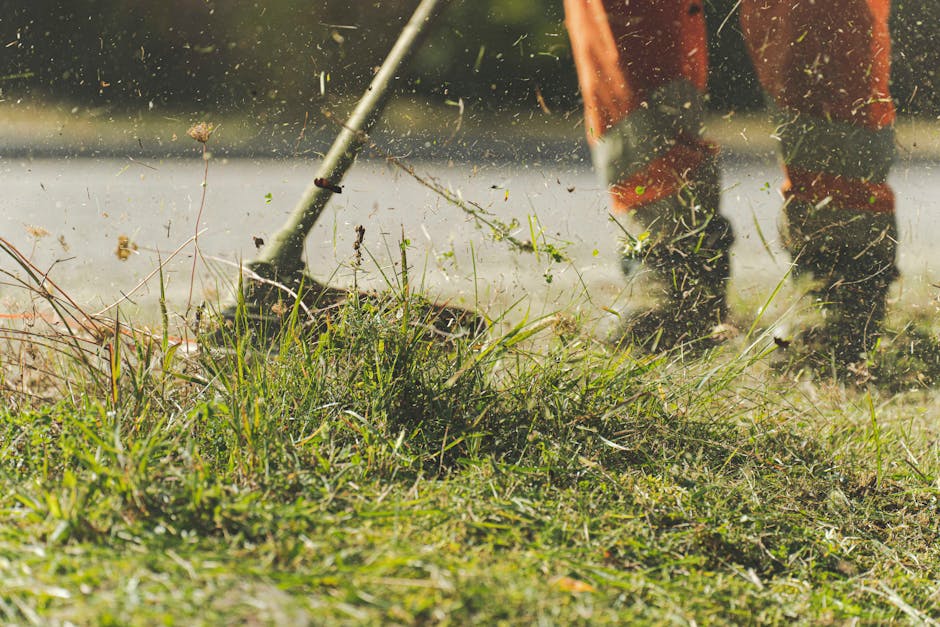
Most professional clearance jobs follow a fairly steady rhythm. First comes an assessment. Then the team works through cutting back, lifting waste, separating materials, and clearing the site safely. Sounds simple enough, but the detail matters. The best results come from proper planning before a single cut is made.
In practical terms, the process often starts with a walk-through. The team identifies what needs removing, what should be protected, and whether there are any access issues, thorny growth, heavy branches, or hidden hazards. A good clear-out is never just about speed. It is about sequence. Cut the wrong thing first and you can make the rest of the job clumsy, or worse, damage a border plant that should have stayed.
Depending on the site, the work may include leaf clearance, weed removal, bramble cutting, ivy management, hedge reduction, shrub removal, and the gathering of loose debris. If structures or overgrown tree limbs are involved, a more specialised service may be needed, such as tree surgery. If the garden includes fences hidden behind dense growth, clearance can also reveal whether repairs are needed.
Waste handling is a major part of the job, and one that clients sometimes forget to ask about. Does the quote include loading and disposal? Is green waste separated from mixed waste? Will reusable material be composted or taken away? These are small questions on paper, but they change the outcome quite a bit.
And yes, some jobs are messier than they look. A bed that appears to be "just weeds" can turn out to contain buried plastic edging, broken pots, and the occasional surprise bulb. Happens all the time.
Key Benefits and Practical Advantages
The obvious benefit is a cleaner garden. The less obvious one is that a properly cleared garden tends to become easier to manage, more usable, and more enjoyable to spend time in. Once the clutter is gone, you see the shape of the space again. That matters more than people expect.
- Better access: paths, bins, sheds, side returns, and seating areas become usable again.
- Reduced trip and slip risks: tangled growth and hidden debris often create avoidable hazards.
- Healthier planting conditions: clearing away competition for light, water, and nutrients helps the plants you want to keep.
- Improved kerb appeal: a neat garden lifts the whole property presentation, especially front gardens and boundary areas.
- Foundation for redesign: clearance is often the first step before turfing, planting, decking, fencing, or layout changes.
There is also a mental benefit, and it is very real. A cluttered outside space can weigh on you quietly. Once cleared, the garden feels less like a problem hanging over your head and more like a place with options again. If you are thinking of adding structure after clearance, you might look at landscaping or even a better seating zone using ideas from crafting elegant garden seating areas.
Who This Is For and When It Makes Sense
Garden clearance services suit more people than you might think. They are not only for severely neglected gardens. In fact, many of the most sensible jobs are routine clear-outs before the mess becomes overwhelming.
This kind of service makes sense if you:
- have moved into a property with an untidy or overgrown garden
- need to reclaim a patio, path, or lawn that has been swallowed up
- are preparing a home for sale or letting
- want to reset the garden before planting or redesigning
- have limited time, mobility, or equipment
- need seasonal help after storms, leaf fall, or rapid summer growth
It is also useful if the garden has special constraints. For example, a space used by children or pets may need careful clearance so that broken twigs, sharp cuttings, and hidden debris are removed properly. If that sounds familiar, it can help to read about gardening with dogs or child-centric garden transformation ideas before deciding what stays and what goes.
In Hadley Green, a lot of gardens have a layered feel: mature shrubs, hedges, borders, and older hard landscaping. That is lovely when it is under control. When it is not, it takes a steady hand to clear it without stripping away the good structure with the bad.
Step-by-Step Guidance
If you want to understand how a professional clearance is usually handled, it helps to break it into practical stages.
- Initial assessment
Look at the size of the garden, the density of growth, waste volumes, and any awkward access points. This is the point where photos can help, but an on-site visit is often better for accuracy. - Define the scope
Decide what is being removed, what is being retained, and whether the job is a one-off clearance or part of a wider tidy-up. Be precise. "Clear the back garden" can mean very different things to different people. - Protect living plants and structures
Good teams will identify anything worth keeping before they start cutting. That might include established shrubs, climbers, bulbs, trellis, or edging you want to preserve. - Cut back and reduce bulk
This is the heavy lifting stage. Overgrowth is reduced first so the garden becomes workable. If hedges are part of the job, a service such as hedge trimming in Monken Hadley may be relevant. - Gather, sort, and load waste
Cuttings, weeds, roots, brash, and miscellaneous debris are collected. Sorting may help reduce disposal costs and improve recycling outcomes. - Final sweep and surface check
Paths, patios, borders, and access routes are checked. This is where the space starts to feel finished rather than merely emptied. - Plan the next phase
After clearance, you can move into maintenance, planting, lawn recovery, or a deeper redesign.
If you are comparing service options, it is worth checking whether the team can also help with follow-on tasks such as lawn mowing, lawn care, or patio cleaning. The best time to tidy a space is often when everything is already open and accessible.
Expert Tips for Better Results
A few small decisions can make a big difference to the final result. Truth be told, the difference between a decent clearance and a really satisfying one is often in the preparation.
- Take "before" photos from several angles. This helps clarify the job and gives everyone a common reference.
- Mark plants and features you want saved. A bit of tape or a simple note prevents accidental removal.
- Ask about waste handling early. Mixed garden waste, soil, timber, and hard materials may need different handling.
- Choose the right season if you can. Clearance is possible all year, but growth patterns and weather will affect timing and finish.
- Think beyond the first cut. If the space will be replanted, re-turfed, or redesigned, mention that upfront.
- Keep an eye on access. Gates, side passages, and parking can affect how quickly the work is done.
One useful habit is to pair clearance with a plan for what comes next. For example, if you want low-effort structure afterwards, you might explore ideas such as cost-effective ideas for easy maintenance or even ground cover choices from ground cover gems. Otherwise the garden can drift back into chaos surprisingly fast. Gardens are cheeky like that.
Common Mistakes to Avoid
Most clearance problems come from assumptions. People assume all overgrowth should be removed, or that one quote is automatically better than another, or that garden waste is just garden waste. It is rarely that simple.
- Removing everything without a plan: some "messy" growth is actually protecting soil, nesting habitats, or useful structure.
- Ignoring root systems: cutting back surface growth without addressing invasive roots can lead to fast regrowth. Ivy is a good example, and if it is part of your problem, sustainable ivy removal is worth understanding.
- Choosing on price alone: the cheapest quote may exclude disposal, skip details, or rush the job.
- Not asking about insurance and safety: especially important where tools, ladders, or heavy cutting are involved.
- Forgetting access limits: narrow entrances or lack of parking can create extra time and labour.
- Leaving the garden with no follow-up plan: a cleared garden left untended can fall back into disrepair quickly.
There is also a quieter mistake: expecting a clearance to solve a design problem. Sometimes it does. Often it only reveals the real issue. Maybe the beds are too fragmented, or the hedge line blocks light, or the layout makes upkeep harder than it should be. That is useful information, even if it is not the answer you hoped for.
Tools, Resources and Recommendations
Professional teams use a mix of hand tools and powered equipment depending on the site. For smaller, careful work, hand tools are often better because they give more control. For denser growth, power tools save time and reduce strain. The right choice depends on the job, not the other way round.
Commonly useful tools include:
- secateurs and loppers for smaller stems
- pruning saws for thicker woody growth
- hedge trimmers for shaping and reduction
- spades and forks for root work
- rakes and forks for lifting loose debris
- heavy-duty bags, tubs, or loading equipment for waste removal
If you are planning a broader tidy-up, it can also help to think about the garden as a whole. For example, a cleared space may need more resilient planting, better seasonal planning, or new vertical interest in tighter plots. You can get useful inspiration from vertical gardening ideas, evergreen climbers, or winter plant protection.
For advice on next steps, pricing, or general service planning, a page like pricing and quotes can be useful when you are comparing options. If you want a broader sense of the company's working ethos, about us is a sensible place to look too.
Law, Compliance, Standards, or Best Practice
Garden clearance is a practical job, but it still sits within normal UK expectations around safety, waste handling, and reasonable care. You do not need to become a compliance expert to book the work, but it does help to know the basics.
Good practice usually includes proper risk awareness, safe tool handling, clear communication about access, and sensible waste separation. If work involves height, heavy lifting, or cutting near structures, the team should plan accordingly. If there are trees involved, special care is needed. If the garden includes shared boundaries, it is also wise to confirm where one property ends and another begins before cutting back anything that might overhang.
It is perfectly fair to ask whether the business has clear procedures for health and safety, insurance and safety, payment and security, and terms and conditions. These pages do not just tick boxes. They show that the operation is run with care rather than guesswork.
If anything goes wrong during a job, a proper route for raising concerns matters too. You can look for a clear complaints procedure. And if sustainability is important to you, it helps to understand how waste, materials, and reuse are handled. A thoughtful clearance team should be able to explain its approach in plain English, without hiding behind jargon.
There is also a quieter best practice point that often gets overlooked: accessibility. If the team needs to move equipment through tight areas or you have limited mobility on site, that should be discussed upfront. For transparency on data and browsing behaviour, you may also want to review the site's privacy policy and cookie policy when using the website.
Options, Methods, or Comparison Table
Not every garden needs the same approach. Some plots want a light seasonal tidy. Others need a full reset. Here is a straightforward comparison to help you think it through.
| Option | Best for | Typical approach | Good to know |
|---|---|---|---|
| Light tidy | Manageable gardens with seasonal debris | Leaf clearing, small weed removal, trimming, and surface sweep | Quick and cost-conscious, but not enough for major overgrowth |
| Partial clearance | Specific problem areas | Focus on one border, path, hedge line, or rear section | Useful when the whole garden does not need attention |
| Full clearance | Severely overgrown or neglected gardens | Broad removal of weeds, brambles, unwanted growth, and debris | Usually needs more time, labour, and waste removal |
| Clearance plus reset | Gardens being redesigned or resold | Clearance followed by soil preparation, layout changes, or new planting | Often the smartest long-term option if the space is being transformed |
A useful way to choose is to ask one question: do you need the garden simply cleared, or do you need it made ready for something else? That answer shapes the service far more than the phrase "garden clearance" suggests.
Case Study or Real-World Example
Consider a typical local situation. A homeowner inherits a rear garden that has not been properly managed for a couple of seasons. The path is there somewhere, but it is only just visible under weeds and self-seeded growth. Ivy has climbed a fence panel. One shrub is worth saving, but another is woody, tangled, and not really doing much except taking up space.
The first visit is about assessment rather than action. The team identifies the small number of plants to keep, notes the access route, and checks the fence line before cutting anything back. The job begins with bulk reduction, then moves into careful clearing around the path and patio. Waste is gathered as the work goes on, because leaving it all until the end would make the site feel chaotic and slow the job down. By late afternoon, the garden is still not "finished", but it is transformed from a hidden, awkward space into something open enough to walk through, measure, and plan.
The homeowner's next step is not a lavish redesign. It is smaller than that. A little lawn recovery, a cleaned patio, and a couple of lower-maintenance border choices. That is usually how it goes, to be fair. The clearance is not the end of the story; it is the moment the story becomes readable again.
If the space includes damaged borders, split panels, or screened-off sections, it can help to consider fencing as part of the next phase. If you want the area to feel more finished, a mix of simple structure and sensible planting usually works better than trying to do everything at once.
Practical Checklist
Use this checklist before booking or starting any garden clearance work.
- List the areas that must be cleared
- Mark plants, features, and structures to keep
- Check access for gates, side passages, and parking
- Ask whether waste removal is included
- Confirm how ivy, brambles, hedge cuttings, and soil will be handled
- Ask about insurance and health-and-safety procedures
- Clarify whether the job is a tidy, partial clearance, or full reset
- Decide what should happen after clearance: maintenance, planting, lawn care, or landscaping
- Take a few photos before work begins
- Set a realistic expectation for what "clearance" means in your case
If you are starting from a neglected garden, it can also help to read jumpstarting a garden transformation from neglect to beauty. If weeds are the main enemy, the guide on unbeatable weed control is a practical companion piece.
Get a free quote today and see how much you can save.
Conclusion
Hadley Green garden clearance is at its best when it is handled as a considered reset, not a rushed chop-down. The most useful service clears safely, protects what matters, deals with waste properly, and leaves you with a space that feels manageable again. That is the real value. Not just tidiness, but momentum.
If you remember only one thing, make it this: ask exactly what is included before the work starts. Scope, waste, access, and follow-up matter just as much as the visible cutting. Get those right and the whole experience becomes simpler, calmer, and far more worthwhile.
And once the garden is back on its feet, it can be surprisingly uplifting. You notice the light again. You hear the birds a bit more. The place starts to feel like yours, properly yours, and that is a lovely thing.
Frequently Asked Questions
What does garden clearance usually include?
Garden clearance normally covers the removal of unwanted growth, weeds, brambles, fallen debris, cuttings, and other garden waste. Depending on the site, it may also include hedge reduction, ivy control, and light pruning.
How is garden clearance different from garden maintenance?
Clearance is usually a reset job. Maintenance is the ongoing work that keeps the garden tidy after that first clean-up. If your space is already under control, maintenance may be enough. If it has become overgrown, clearance is the better starting point.
Do I need a full clearance or just a tidy-up?
If you can still move around the garden easily and the problem is mostly leaves, weeds, or seasonal mess, a tidy-up may be enough. If paths are blocked, growth is dense, or hidden areas have been neglected for months, a full clearance makes more sense.
Will the team take away all the waste?
They should, but always confirm it in advance. Some quotes include loading and disposal, while others only cover labour. Ask exactly what is being removed and whether mixed waste, green waste, and bulky items are all included.
Can garden clearance damage my plants?
It can, if it is done carelessly. That is why it matters to point out the plants you want to keep. A careful team will work around shrubs, bulbs, borders, and climbers rather than cutting everything back blindly.
How long does a garden clearance take?
It depends on garden size, access, and how overgrown the space is. A small tidy-up may be quick, while a neglected garden with dense growth and heavy waste can take much longer. The estimate should be based on the actual condition, not just the square footage.
Is ivy removal part of garden clearance?
Often, yes, especially if ivy is smothering fences, walls, or shrubs. That said, mature ivy can be stubborn and may need a more careful approach. If ivy is a major issue, it is worth treating it as a specific task rather than a side note.
What should I ask before booking?
Ask what is included, how waste is handled, whether insurance is in place, how access affects the job, and whether the team can support any follow-up work you may need. Clear answers now save awkwardness later.
Can clearance help before selling a house?
Yes. A cleared garden makes a property easier to present and helps buyers see the space rather than the mess. It does not need to be perfect, just open, tidy, and clearly usable.
What happens after the clearance?
After clearance, most people move into either maintenance, lawn recovery, planting, fencing repairs, or landscaping. The best next step depends on the garden's condition and what you want it to become.
Is it worth booking clearance in winter?
It can be. Winter work is often useful for tackling overgrowth, clearing debris, and preparing the garden for spring. The exact timing depends on weather and plant condition, but winter is not off-limits at all.
How do I keep the garden from getting messy again?
Start with a simple maintenance routine. Keep an eye on growth after wet or warm spells, remove debris regularly, and do not let one problem area spread. A little consistency goes a long way, even if the garden is not huge.